Buy treatiesofnijmegenmedal.eu ?
We are moving the project
treatiesofnijmegenmedal.eu .
Are you interested in purchasing the domain
treatiesofnijmegenmedal.eu ?
domain@kv-gmbh.de · 0541-91531010
Buy treatiesofnijmegenmedal.eu ?
Is ammonia polyprotic or monoprotic?
Ammonia is a monoprotic base, meaning it can donate only one proton (H+) in a chemical reaction. This is because ammonia has only one nitrogen atom that can accept a proton to form the ammonium ion (NH4+). Therefore, ammonia is considered monoprotic. **
Why is vinegar a monoprotic acid?
Vinegar is a monoprotic acid because it contains one hydrogen ion (H+) that can be donated in a chemical reaction. When vinegar (acetic acid) dissociates in water, it releases only one hydrogen ion per molecule. This means that each molecule of vinegar can donate only one proton, making it a monoprotic acid. **

Similar search terms for Monoprotic
Top-Angebote
Products related to Monoprotic:
-
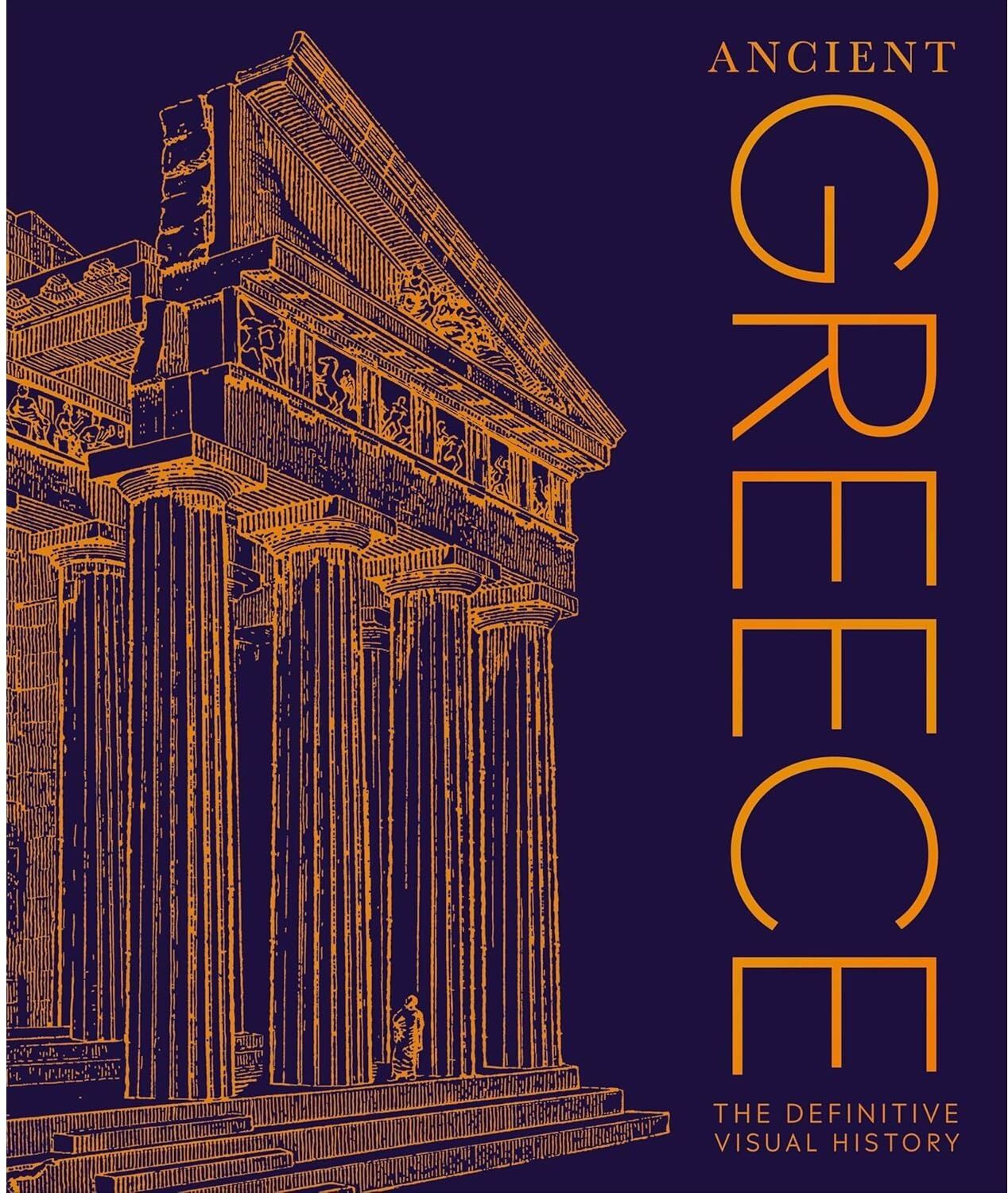
Ancient Greece: The Definitive Visual History (DK Classic History)Embark upon a fascinating journey through ancient Greece – from its rise and fall to its lasting legacy throughout the Western world. Spanning more than 3,000 years, Ancient Greece explores the tumultuous history of this glorious empire in vivid detail – from its Minoan and Mycenaean origins to the apogee of the warring city-states of Athens and Sparta, and from the death of its most charismatic leader, Alexander the Great, to its ultimate defeat by Rome. Sumptuous photography and authoritative, engaging text cover every facet of life in ancient Greece, from art, entertainment, and schools of thought to politics, medicine, and war, while the myths and religious beliefs of the ancient culture are explored and explained in depth. Greece’s military and political power shines through in fascinating maps of its legendary battles. Buried palaces and the Athenian Agora where Plato and Socrates discussed philosophy are brought back to life with stunning CGI artworks. And the stories of everyone from ordinary citizens to lawmakers and the first Olympic athletes are retold through eyewitness accounts and original artefacts.19,99 £*Shipping: 2,99 £Secure redirect to the provider
-
Award-winning Complexion Trio - Skincare & Makeup Kit Charlotte Tilbury 7699 Charlotte's Award-winning Complexion Trio Size:Darlings, unlock a magical 30% OFF* this trio of beauty secrets including my AWARD-WINNING moisturiser for MAGIC skin, my HYDRATING, medium-buildable coverage foundation for a BEAUTIFUL complexion and my AIRbrush setting spray to lock in your look! ONLY available on CharlotteTilbury.com and the Charlotte Tilbury App with a magical 30% saving*, this kit includes: •62,30 £*Shipping: 0,00 £Secure redirect to the provider
-
York Wallcoverings Diplomacy Weave Pearl WallpaperLofted texture and threads of metallic combine to create the illusion of a luxury fabric in pattern Diplomacy Weave. This Diplomacy Weave Wallpaper measures approximately 20.5 inches wide by 33 feet long, covering About 56.4 square feet per roll.204,00 $*Shipping: 0,00 $Secure redirect to the provider


-
What are monoprotic and polyprotic acids?
Monoprotic acids are acids that can donate only one proton (hydrogen ion) per molecule when they dissociate in water. Examples include hydrochloric acid (HCl) and acetic acid (CH3COOH). Polyprotic acids, on the other hand, are acids that can donate more than one proton per molecule when they dissociate in water. Examples include sulfuric acid (H2SO4) and phosphoric acid (H3PO4). **
-
Which substance is a monoprotic acid?
Acetic acid is a monoprotic acid. This means that it can donate only one proton (H+) in a chemical reaction. Acetic acid is found in vinegar and is commonly used in cooking and food preservation. Its chemical formula is CH3COOH. **
-
Why is formic acid a monoprotic acid?
Formic acid is a monoprotic acid because it can donate only one proton (H+) in a chemical reaction. This is due to its chemical structure, which contains only one carboxylic acid functional group (COOH), allowing for the donation of only one proton. As a result, formic acid can form only one type of ion when it donates a proton, making it a monoprotic acid. **
-
How can one recognize which acids are monoprotic, diprotic, or triprotic?
One can recognize the number of protons that an acid can donate by looking at its chemical formula and structure. Monoprotic acids, such as hydrochloric acid (HCl) and acetic acid (CH3COOH), can donate one proton. Diprotic acids, such as sulfuric acid (H2SO4), can donate two protons. Triprotic acids, such as phosphoric acid (H3PO4), can donate three protons. Additionally, one can also recognize the number of protons an acid can donate by looking at its ionization constants (Ka values) - monoprotic acids will have one Ka value, diprotic acids will have two Ka values, and triprotic acids will have three Ka values. **


How can I tell if an acid is monoprotic or polyprotic?
You can determine if an acid is monoprotic or polyprotic by looking at its chemical formula. If the formula contains only one hydrogen ion (H+), then the acid is monoprotic. However, if the formula contains more than one hydrogen ion, then the acid is polyprotic. Additionally, you can also look at the acid's chemical structure and its ability to donate multiple hydrogen ions to determine if it is polyprotic. **
Can someone explain the meaning of monoprotic and polyprotic to me?
Sure! Monoprotic and polyprotic refer to the number of protons that can be donated by an acid. Monoprotic acids can donate one proton, while polyprotic acids can donate more than one proton. For example, hydrochloric acid (HCl) is monoprotic because it can donate one proton, while sulfuric acid (H2SO4) is polyprotic because it can donate two protons. This distinction is important in understanding the behavior and properties of different acids in chemical reactions. **
Top-Angebote
Products related to Monoprotic:
-
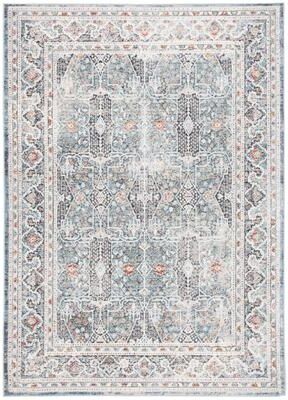
York Wallcoverings Diplomacy Weave Blue WallpaperLofted texture and threads of metallic combine to create the illusion of a luxury fabric in pattern Diplomacy Weave. This Diplomacy Weave Wallpaper measures approximately 20.5 inches wide by 33 feet long, covering About 56.4 square feet per roll.204,00 $*Shipping: 0,00 $Secure redirect to the provider
-
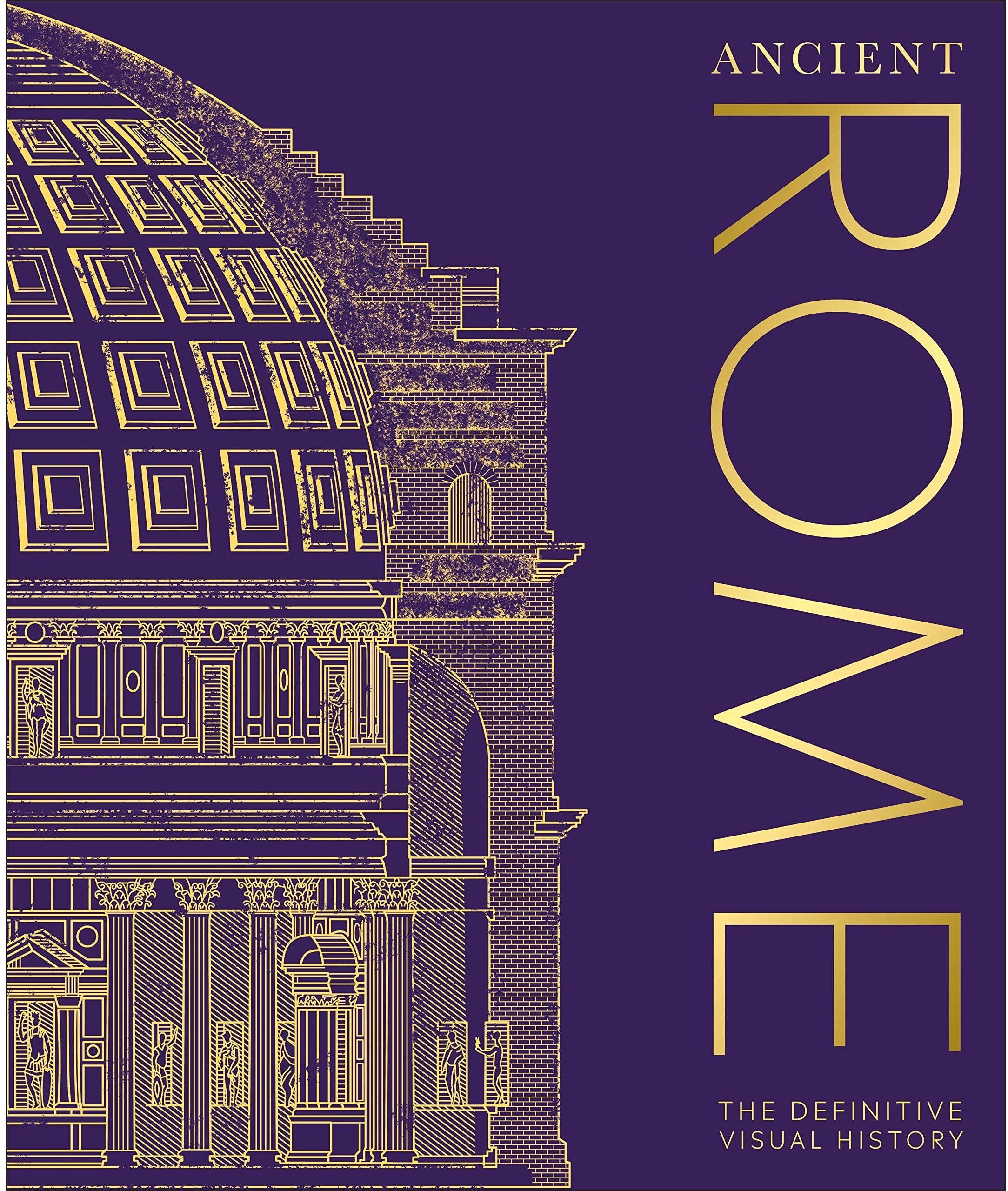
Ancient Rome: The Definitive Visual History (DK Classic History)Immerse yourself in the history of ancient Rome - from its origins as a small settlement on the Palatine Hill to its peak as an empire reigning over 90 million people, and its tumultuous decline. Covering more than 1,000 years of history, and an empire that stretched from Scotland to Syria, Ancient Rome reveals in vivid detail all of the key political, cultural, and military events that shaped the Roman Empire and explores what it was like to live in a society that laid the foundations for many aspects of the modern world. Sumptuous photography and engaging text cover every facet of life in ancient Rome, from art, entertainment, and fashion to engineering, medicine, and war, while detailed maps trace the rise of the mighty Roman Empire. Step back in time in the pages of this history book to discover:- Themed spreads explore developments in areas such as sculpture, religion, warfare, and engineering. - Includes tales of the most dramatic events and battles in Roman history, as well as profiles of influential historical and cultural figures. - An optional 80pp reference section includes sections on rulers, gods and goddesses, and key sites. Featuring Rome's greatest emperors, from Augustus to Constantine, as well as profiles of generals, historians, and influential women, Ancient Rome also delves into the fascinating stories of gladiators, bakers, and enslaved people. The most iconic buildings of Rome are brought to life with specially commissioned CGI recreations, while the stories of ordinary citizens, soldiers, and persecuted groups from across the empire are told with the help of illustrations, artefacts, and eyewitness accounts. Beautifully illustrated and unparalleled in scope, Ancient Rome is the perfect book for anyone who is interested in this defining period of world history.19,95 £*Shipping: 2,99 £Secure redirect to the provider
-
Ancient Greece: The Definitive Visual History (DK Classic History)Embark upon a fascinating journey through ancient Greece – from its rise and fall to its lasting legacy throughout the Western world. Spanning more than 3,000 years, Ancient Greece explores the tumultuous history of this glorious empire in vivid detail – from its Minoan and Mycenaean origins to the apogee of the warring city-states of Athens and Sparta, and from the death of its most charismatic leader, Alexander the Great, to its ultimate defeat by Rome. Sumptuous photography and authoritative, engaging text cover every facet of life in ancient Greece, from art, entertainment, and schools of thought to politics, medicine, and war, while the myths and religious beliefs of the ancient culture are explored and explained in depth. Greece’s military and political power shines through in fascinating maps of its legendary battles. Buried palaces and the Athenian Agora where Plato and Socrates discussed philosophy are brought back to life with stunning CGI artworks. And the stories of everyone from ordinary citizens to lawmakers and the first Olympic athletes are retold through eyewitness accounts and original artefacts.19,99 £*Shipping: 2,99 £Secure redirect to the provider
-
Award-winning Complexion Trio - Skincare & Makeup Kit Charlotte Tilbury 7699 Charlotte's Award-winning Complexion Trio Size:Darlings, unlock a magical 30% OFF* this trio of beauty secrets including my AWARD-WINNING moisturiser for MAGIC skin, my HYDRATING, medium-buildable coverage foundation for a BEAUTIFUL complexion and my AIRbrush setting spray to lock in your look! ONLY available on CharlotteTilbury.com and the Charlotte Tilbury App with a magical 30% saving*, this kit includes: •62,30 £*Shipping: 0,00 £Secure redirect to the provider
-
Is ammonia polyprotic or monoprotic?
Ammonia is a monoprotic base, meaning it can donate only one proton (H+) in a chemical reaction. This is because ammonia has only one nitrogen atom that can accept a proton to form the ammonium ion (NH4+). Therefore, ammonia is considered monoprotic. **
-
Why is vinegar a monoprotic acid?
Vinegar is a monoprotic acid because it contains one hydrogen ion (H+) that can be donated in a chemical reaction. When vinegar (acetic acid) dissociates in water, it releases only one hydrogen ion per molecule. This means that each molecule of vinegar can donate only one proton, making it a monoprotic acid. **
-
What are monoprotic and polyprotic acids?
Monoprotic acids are acids that can donate only one proton (hydrogen ion) per molecule when they dissociate in water. Examples include hydrochloric acid (HCl) and acetic acid (CH3COOH). Polyprotic acids, on the other hand, are acids that can donate more than one proton per molecule when they dissociate in water. Examples include sulfuric acid (H2SO4) and phosphoric acid (H3PO4). **
-
Which substance is a monoprotic acid?
Acetic acid is a monoprotic acid. This means that it can donate only one proton (H+) in a chemical reaction. Acetic acid is found in vinegar and is commonly used in cooking and food preservation. Its chemical formula is CH3COOH. **
Similar search terms for Monoprotic
-
York Wallcoverings Diplomacy Weave Pearl WallpaperLofted texture and threads of metallic combine to create the illusion of a luxury fabric in pattern Diplomacy Weave. This Diplomacy Weave Wallpaper measures approximately 20.5 inches wide by 33 feet long, covering About 56.4 square feet per roll.204,00 $*Shipping: 0,00 $Secure redirect to the provider
-
York Wallcoverings Diplomacy Weave Cream WallpaperLofted texture and threads of metallic combine to create the illusion of a luxury fabric in pattern Diplomacy Weave. This Diplomacy Weave Wallpaper measures approximately 20.5 inches wide by 33 feet long, covering About 56.4 square feet per roll.204,00 $*Shipping: 0,00 $Secure redirect to the provider
-
York Wallcoverings Diplomacy Weave Cream WallpaperLofted texture and threads of metallic combine to create the illusion of a luxury fabric in pattern Diplomacy Weave. This Diplomacy Weave Wallpaper measures approximately 20.5 inches wide by 33 feet long, covering About 56.4 square feet per roll.204,00 $*Shipping: 0,00 $Secure redirect to the provider
-
Why is formic acid a monoprotic acid?
Formic acid is a monoprotic acid because it can donate only one proton (H+) in a chemical reaction. This is due to its chemical structure, which contains only one carboxylic acid functional group (COOH), allowing for the donation of only one proton. As a result, formic acid can form only one type of ion when it donates a proton, making it a monoprotic acid. **
-
How can one recognize which acids are monoprotic, diprotic, or triprotic?
One can recognize the number of protons that an acid can donate by looking at its chemical formula and structure. Monoprotic acids, such as hydrochloric acid (HCl) and acetic acid (CH3COOH), can donate one proton. Diprotic acids, such as sulfuric acid (H2SO4), can donate two protons. Triprotic acids, such as phosphoric acid (H3PO4), can donate three protons. Additionally, one can also recognize the number of protons an acid can donate by looking at its ionization constants (Ka values) - monoprotic acids will have one Ka value, diprotic acids will have two Ka values, and triprotic acids will have three Ka values. **
-
How can I tell if an acid is monoprotic or polyprotic?
You can determine if an acid is monoprotic or polyprotic by looking at its chemical formula. If the formula contains only one hydrogen ion (H+), then the acid is monoprotic. However, if the formula contains more than one hydrogen ion, then the acid is polyprotic. Additionally, you can also look at the acid's chemical structure and its ability to donate multiple hydrogen ions to determine if it is polyprotic. **
-
Can someone explain the meaning of monoprotic and polyprotic to me?
Sure! Monoprotic and polyprotic refer to the number of protons that can be donated by an acid. Monoprotic acids can donate one proton, while polyprotic acids can donate more than one proton. For example, hydrochloric acid (HCl) is monoprotic because it can donate one proton, while sulfuric acid (H2SO4) is polyprotic because it can donate two protons. This distinction is important in understanding the behavior and properties of different acids in chemical reactions. **
* All prices are inclusive of VAT and, if applicable, plus shipping costs. The offer information is based on the details provided by the respective shop and is updated through automated processes. Real-time updates do not occur, so deviations can occur in individual cases. ** Note: Parts of this content were created by AI.