Buy treatiesofnijmegenmedal.eu ?
We are moving the project
treatiesofnijmegenmedal.eu .
Are you interested in purchasing the domain
treatiesofnijmegenmedal.eu ?
domain@kv-gmbh.de · 0541-91531010
Buy treatiesofnijmegenmedal.eu ?
How was diplomacy used during the Cuban Missile Crisis?
Diplomacy was used during the Cuban Missile Crisis through a series of negotiations and backchannel communications between the United States and the Soviet Union. Both sides engaged in intense diplomatic efforts to find a peaceful resolution to the crisis, with the U.S. and Soviet leaders exchanging letters and proposals to defuse the situation. Additionally, the use of intermediaries, such as the United Nations and other neutral parties, helped facilitate diplomatic discussions and prevent the crisis from escalating into a full-scale nuclear conflict. Ultimately, diplomacy played a crucial role in resolving the Cuban Missile Crisis and preventing a catastrophic outcome. **
How was the diplomacy during the Cuban Missile Crisis?
During the Cuban Missile Crisis, diplomacy played a crucial role in resolving the conflict. Both the United States and the Soviet Union engaged in intense diplomatic efforts to find a peaceful resolution and avoid a nuclear war. Backchannel communications, such as the "hotline" established between the two superpowers, allowed for direct and timely communication. Additionally, the use of intermediaries, such as the United Nations and other neutral countries, helped facilitate negotiations and find a compromise. Ultimately, diplomacy was successful in reaching a resolution that involved the removal of Soviet missiles from Cuba in exchange for the removal of U.S. missiles from Turkey and a commitment to not invade Cuba. **

Similar search terms for Crisis
Top-Angebote
Products related to Crisis:
-
Uplifted Goods This Weeks Ban On Crisis Acrylic Desktop Sign aInject some humor into your professional environment with the This Weeks Ban on Crisis Acrylic Desktop Sign. This professional grade office accessory is meticulously engineered with high quality, crystal clear acrylic designed to provide a sleek and...34,97 $*Shipping: 0,00 $Secure redirect to the provider

-
Is the energy crisis and gas crisis getting worse?
The energy crisis and gas crisis are complex issues that are influenced by various factors such as supply and demand, geopolitical tensions, and natural disasters. While the situation may fluctuate over time, it is difficult to definitively say whether it is getting worse overall. However, recent events such as the conflict in Ukraine and the COVID-19 pandemic have put additional strain on energy markets, leading to increased prices and concerns about supply stability. It is important for governments and industry stakeholders to work together to address these challenges and find sustainable solutions for the future. **
-
Will the energy crisis become an existential crisis for Germany?
The energy crisis in Germany is a significant challenge due to the country's reliance on imported fossil fuels and the phase-out of nuclear power. While it poses serious economic and environmental concerns, it is unlikely to become an existential crisis for Germany. The country has been investing in renewable energy sources and energy efficiency measures to reduce its dependence on fossil fuels and mitigate the impact of the crisis. With strategic planning and continued efforts to transition to sustainable energy sources, Germany can navigate through the energy crisis without it becoming an existential threat. **
-
What are the causes of the global economic crisis in history?
The global economic crisis in history has been caused by a combination of factors such as financial market speculation, excessive risk-taking by financial institutions, unsustainable levels of debt, and inadequate regulation and oversight of financial markets. Additionally, economic imbalances between countries, such as trade deficits and currency fluctuations, have also played a role in triggering global economic crises. These factors have often led to a domino effect where the collapse of one sector or country's economy has had ripple effects across the global economy, resulting in widespread economic downturns. **
-
Are we in an economic crisis or a global economic crisis?
We are currently facing a global economic crisis due to the impact of the COVID-19 pandemic. The pandemic has caused widespread disruptions to economies around the world, leading to job losses, business closures, and financial instability. Governments and central banks have implemented various measures to mitigate the economic fallout, but the full extent of the crisis is still unfolding. The interconnected nature of the global economy means that the effects of this crisis are being felt on a worldwide scale. **
What is a crisis?
A crisis is a situation or event that poses a significant threat to an individual, group, organization, or society as a whole. It often involves a sense of urgency and requires immediate attention and action to mitigate its impact. Crises can take many forms, including natural disasters, public health emergencies, financial collapses, and social or political unrest. They can also result from internal issues such as organizational mismanagement or ethical breaches. Overall, a crisis is a critical and challenging situation that demands swift and effective response to prevent further harm. **
Was the world economic crisis of 1929 purely a stock market crisis?
The world economic crisis of 1929 was not purely a stock market crisis. While the stock market crash of 1929 was a significant factor in triggering the crisis, it was also fueled by a combination of factors such as overproduction, declining consumer spending, and a lack of effective government intervention. The crisis led to widespread unemployment, bank failures, and a severe contraction in industrial production, which had far-reaching effects on the global economy. Therefore, the 1929 economic crisis was a complex event that involved multiple interconnected factors beyond just the stock market. **
Top-Angebote
Products related to Crisis:
-
Uplifted Goods This Weeks Ban On Crisis Acrylic Desktop Sign bInject some humor into your professional environment with the This Weeks Ban on Crisis Acrylic Desktop Sign. This professional grade office accessory is meticulously engineered with high quality, crystal clear acrylic designed to provide a sleek and...34,97 $*Shipping: 0,00 $Secure redirect to the provider
-
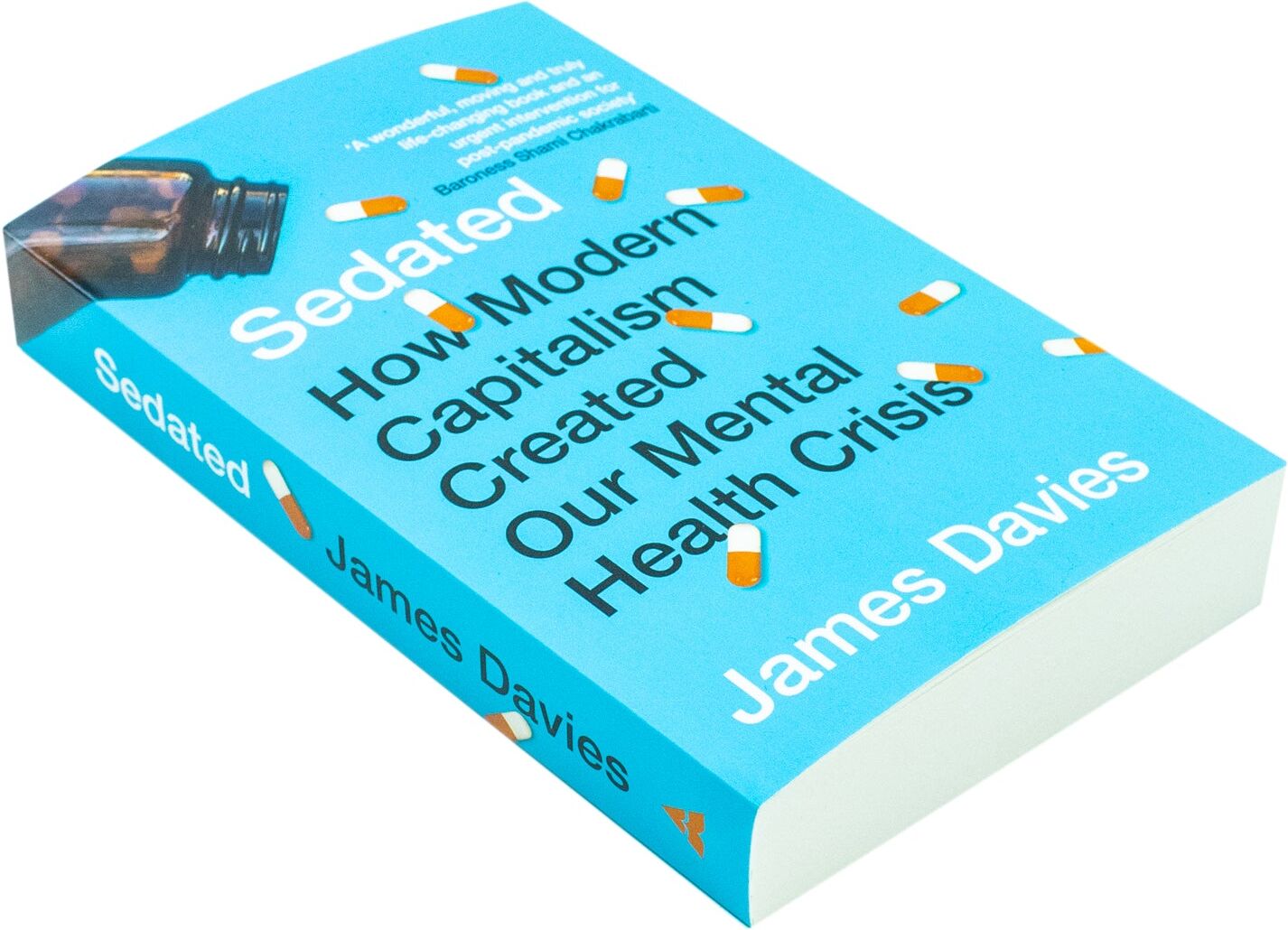
Atlantic Books Sedated: How Modern Capitalism Created our Mental Health Crisis by James DaviesA provocative and shocking look at how western society is misunderstanding and mistreating mental illness. Perfect for fans of Empire of Pain and Dope Sick. In Britain alone, more than 20% of the adult population take a psychiatric drug in any one year. This is an increase of over 500% since 1980 and the numbers continue to grow. Yet, despite this prescription epidemic, levels of mental illness of all types have actually increased in number and severity. Using a wealth of studies, interviews with experts, and detailed analysis, Dr James Davies argues that this is because we have fundamentally mischaracterised the problem. Rather than viewing most mental distress as an understandable reaction to wider societal problems, we have embraced a medical model which situates the problem solely within the sufferer and their brain. Urgent and persuasive, Sedated systematically examines why this individualistic view of mental illness has been promoted by successive governments and big business - and why it is so misplaced and dangerous.3,99 £*Shipping: 1,99 £Secure redirect to the provider
-
Uplifted Goods This Weeks Ban On Crisis Acrylic Desktop Sign aInject some humor into your professional environment with the This Weeks Ban on Crisis Acrylic Desktop Sign. This professional grade office accessory is meticulously engineered with high quality, crystal clear acrylic designed to provide a sleek and...34,97 $*Shipping: 0,00 $Secure redirect to the provider
-
How was diplomacy used during the Cuban Missile Crisis?
Diplomacy was used during the Cuban Missile Crisis through a series of negotiations and backchannel communications between the United States and the Soviet Union. Both sides engaged in intense diplomatic efforts to find a peaceful resolution to the crisis, with the U.S. and Soviet leaders exchanging letters and proposals to defuse the situation. Additionally, the use of intermediaries, such as the United Nations and other neutral parties, helped facilitate diplomatic discussions and prevent the crisis from escalating into a full-scale nuclear conflict. Ultimately, diplomacy played a crucial role in resolving the Cuban Missile Crisis and preventing a catastrophic outcome. **
-
How was the diplomacy during the Cuban Missile Crisis?
During the Cuban Missile Crisis, diplomacy played a crucial role in resolving the conflict. Both the United States and the Soviet Union engaged in intense diplomatic efforts to find a peaceful resolution and avoid a nuclear war. Backchannel communications, such as the "hotline" established between the two superpowers, allowed for direct and timely communication. Additionally, the use of intermediaries, such as the United Nations and other neutral countries, helped facilitate negotiations and find a compromise. Ultimately, diplomacy was successful in reaching a resolution that involved the removal of Soviet missiles from Cuba in exchange for the removal of U.S. missiles from Turkey and a commitment to not invade Cuba. **
-
Is the energy crisis and gas crisis getting worse?
The energy crisis and gas crisis are complex issues that are influenced by various factors such as supply and demand, geopolitical tensions, and natural disasters. While the situation may fluctuate over time, it is difficult to definitively say whether it is getting worse overall. However, recent events such as the conflict in Ukraine and the COVID-19 pandemic have put additional strain on energy markets, leading to increased prices and concerns about supply stability. It is important for governments and industry stakeholders to work together to address these challenges and find sustainable solutions for the future. **
-
Will the energy crisis become an existential crisis for Germany?
The energy crisis in Germany is a significant challenge due to the country's reliance on imported fossil fuels and the phase-out of nuclear power. While it poses serious economic and environmental concerns, it is unlikely to become an existential crisis for Germany. The country has been investing in renewable energy sources and energy efficiency measures to reduce its dependence on fossil fuels and mitigate the impact of the crisis. With strategic planning and continued efforts to transition to sustainable energy sources, Germany can navigate through the energy crisis without it becoming an existential threat. **
Similar search terms for Crisis
-
What are the causes of the global economic crisis in history?
The global economic crisis in history has been caused by a combination of factors such as financial market speculation, excessive risk-taking by financial institutions, unsustainable levels of debt, and inadequate regulation and oversight of financial markets. Additionally, economic imbalances between countries, such as trade deficits and currency fluctuations, have also played a role in triggering global economic crises. These factors have often led to a domino effect where the collapse of one sector or country's economy has had ripple effects across the global economy, resulting in widespread economic downturns. **
-
Are we in an economic crisis or a global economic crisis?
We are currently facing a global economic crisis due to the impact of the COVID-19 pandemic. The pandemic has caused widespread disruptions to economies around the world, leading to job losses, business closures, and financial instability. Governments and central banks have implemented various measures to mitigate the economic fallout, but the full extent of the crisis is still unfolding. The interconnected nature of the global economy means that the effects of this crisis are being felt on a worldwide scale. **
-
What is a crisis?
A crisis is a situation or event that poses a significant threat to an individual, group, organization, or society as a whole. It often involves a sense of urgency and requires immediate attention and action to mitigate its impact. Crises can take many forms, including natural disasters, public health emergencies, financial collapses, and social or political unrest. They can also result from internal issues such as organizational mismanagement or ethical breaches. Overall, a crisis is a critical and challenging situation that demands swift and effective response to prevent further harm. **
-
Was the world economic crisis of 1929 purely a stock market crisis?
The world economic crisis of 1929 was not purely a stock market crisis. While the stock market crash of 1929 was a significant factor in triggering the crisis, it was also fueled by a combination of factors such as overproduction, declining consumer spending, and a lack of effective government intervention. The crisis led to widespread unemployment, bank failures, and a severe contraction in industrial production, which had far-reaching effects on the global economy. Therefore, the 1929 economic crisis was a complex event that involved multiple interconnected factors beyond just the stock market. **
* All prices are inclusive of VAT and, if applicable, plus shipping costs. The offer information is based on the details provided by the respective shop and is updated through automated processes. Real-time updates do not occur, so deviations can occur in individual cases. ** Note: Parts of this content were created by AI.