Buy treatiesofnijmegenmedal.eu ?
We are moving the project
treatiesofnijmegenmedal.eu .
Are you interested in purchasing the domain
treatiesofnijmegenmedal.eu ?
domain@kv-gmbh.de · 0541-91531010
Buy treatiesofnijmegenmedal.eu ?
What is a degree in history education?
A degree in history education is a program that combines the study of history with coursework in education and teaching methods. Students in this program learn about historical events, cultures, and societies, as well as how to effectively teach this information to students at various grade levels. Graduates with a degree in history education are typically prepared to become history teachers in middle schools and high schools, helping students develop a deeper understanding and appreciation of the past. This degree also often includes opportunities for student teaching experiences in real classrooms to gain practical skills and knowledge. **
Is a history degree pointless?
A history degree is not pointless. While it may not lead to a specific career path like some other degrees, it provides valuable skills such as critical thinking, research, and writing. These skills are transferable to a wide range of careers, including education, law, journalism, and public service. Additionally, studying history helps individuals understand the complexities of the world and how societies have evolved, which can be valuable in any profession. **

Similar search terms for Arcturus-A-Degree-in
Top-Angebote
Products related to Arcturus-A-Degree-in:
-
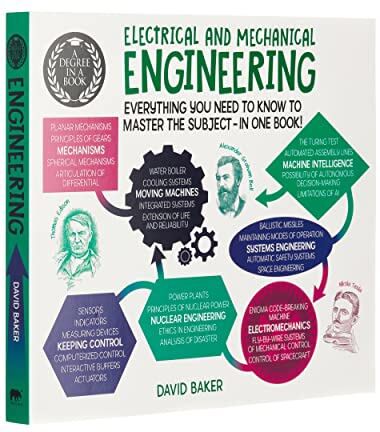
Arcturus A Degree in a Book: Electrical & Mechanical Engineering by Dr. David Baker Illustrated Engineering Guide Degree in a Book SeriesGain a clear understanding of engineering principles with A Degree in a Book: Electrical and Mechanical Engineering by David Baker. Part of the acclaimed Degree in a Book series, this highly visual guide simplifies the essential concepts of electrical and mechanical engineering into an accessible and engaging format. Written by former NASA engineer Dr. David Baker, the book features full-colour illustrations, diagrams, flowcharts, timelines, and infographics to help readers grasp complex engineering topics with ease. It covers key subjects including mechanics, electricity, electronics, thermodynamics, materials, manufacturing, artificial intelligence, nuclear engineering, and emerging technologies. Whether you're a student beginning your engineering journey, preparing for exams, or simply interested in understanding how engineering shapes the modern world, this book provides a practical introduction without requiring prior technical knowledge. Why Readers Love This Book: Comprehensive introduction to electrical and mechanical engineering Written by former NASA engineer Dr. David Baker Full-colour illustrations, diagrams, and infographics for easy learning Covers both engineering theory and real-world applications Ideal for students, STEM enthusiasts, and lifelong learners Part of the bestselling Degree in a Book educational series A practical and engaging engineering reference, A Degree in a Book: Electrical & Mechanical Engineering makes complex technical concepts easy to understand for readers of all levels.5,99 £*Shipping: 2,99 £Secure redirect to the provider
-
Can I also pursue a career in history with a degree in history education?
Yes, you can pursue a career in history with a degree in history education. With a degree in history education, you will have a strong foundation in historical knowledge and research skills, as well as experience in teaching and communicating historical concepts. This can open up opportunities for careers in education, such as teaching history at the secondary level, or in other fields such as museum education, historical research, or curriculum development. Additionally, you may also choose to further your education with a graduate degree in history to pursue more specialized career paths. **
-
Is a Latinum required for a teaching degree in history?
No, a Latinum is not required for a teaching degree in history. A Latinum is a certification in Latin language proficiency, and while it may be beneficial for a history teacher to have knowledge of Latin, it is not a mandatory requirement for obtaining a teaching degree in history. The specific requirements for a teaching degree in history may vary by institution, but typically they focus on education and history coursework rather than language certifications. **
-
Can I also pursue a career in history research with a degree in history education?
Yes, you can pursue a career in history research with a degree in history education. While a degree in history education may focus more on teaching methods and curriculum development, it still provides a strong foundation in historical research and analysis. You may need to supplement your education with additional research experience or graduate studies to specialize in history research, but your background in history education can still be a valuable asset in this field. Many historians and researchers come from diverse educational backgrounds, so your degree in history education can certainly be a stepping stone towards a career in history research. **
-
What is the teaching degree in history?
A teaching degree in history is typically a Bachelor of Education (B.Ed.) with a specialization in history. This degree program combines education courses with history content knowledge to prepare students to become history teachers. Graduates of this program are equipped with the necessary skills and knowledge to effectively teach history at the middle school or high school level. Additionally, they may also be required to obtain a teaching license or certification in their specific region or country. **
What jobs can one pursue with a degree in history?
With a degree in history, one can pursue a variety of careers such as historian, archivist, museum curator, teacher, librarian, or researcher. Historians research, analyze, and interpret historical information to write books, articles, or give presentations. Archivists and curators manage and preserve historical documents and artifacts in museums, libraries, and other institutions. History graduates can also work in education as teachers or professors, sharing their knowledge and passion for history with students. Additionally, they can work as researchers for government agencies, non-profit organizations, or private companies. **
Should I pursue a second degree in history or classical archaeology?
The decision to pursue a second degree in history or classical archaeology depends on your interests and career goals. If you are passionate about studying ancient civilizations, artifacts, and archaeological sites, then classical archaeology may be the right choice for you. On the other hand, if you are more interested in analyzing historical events, cultures, and societies, then a degree in history may be a better fit. Consider your long-term career aspirations and the specific skills and knowledge you hope to gain from each degree before making a decision. Additionally, researching potential job opportunities and speaking with professionals in each field can provide valuable insight into which path may be the best fit for you. **
Top-Angebote
Products related to Arcturus-A-Degree-in:
-
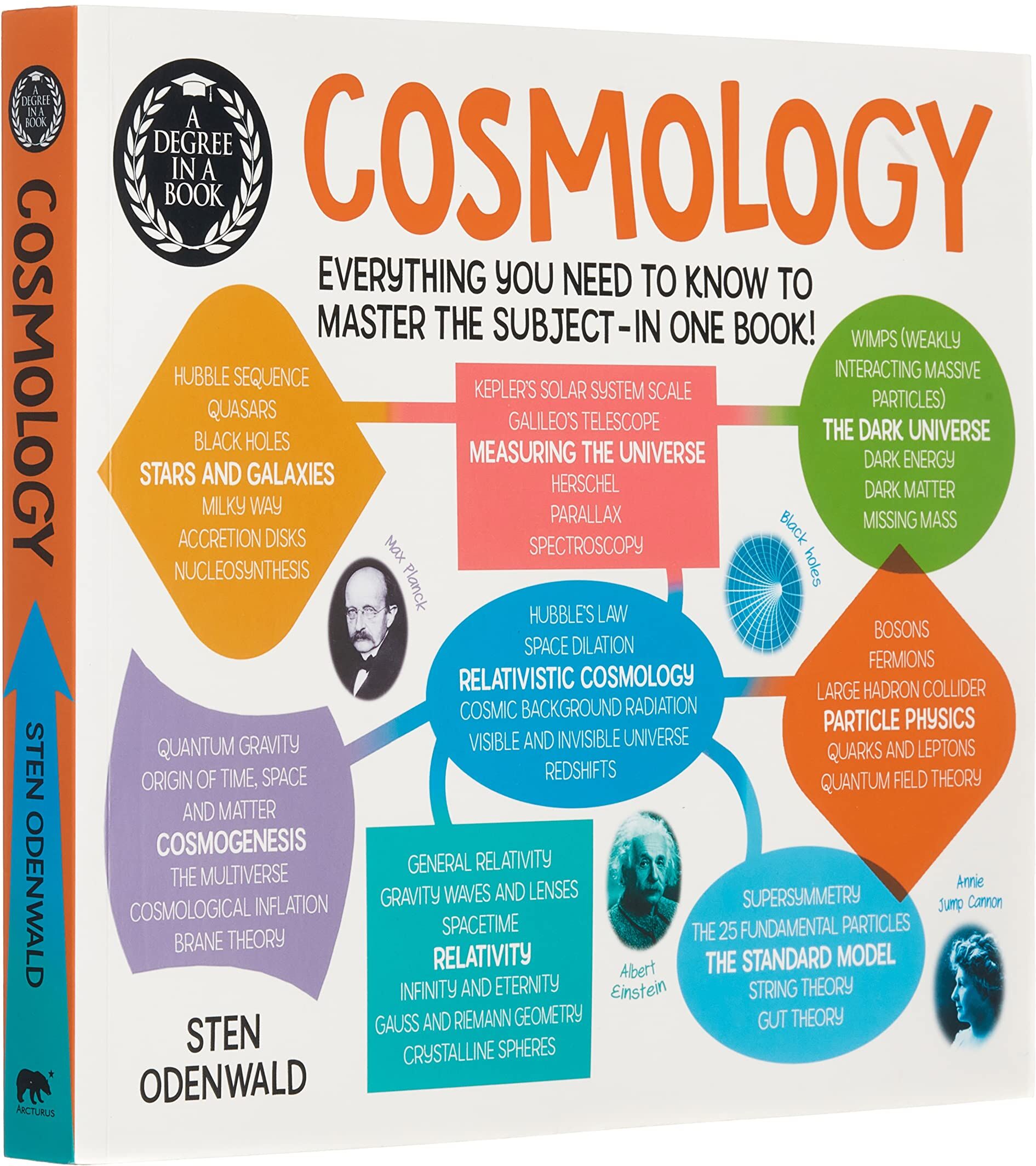
Arcturus A Degree in a Book - Cosmology by Sten OdenwaldA Degree in a Book: Cosmology is the perfect introduction to cosmology, astronomy and astrophysics. Written by one of NASA's leading astronomers and educators, this book provides you with the essential foundations for understanding the science behind the universe we live in. It will help you answer questions such as: • How do we know the universe is expanding? • What is the theory of relativity? • How does the Higgs mechanism work? • What is dark matter? Filled with helpful diagrams, suggestions for further reading and easily digestible history sections, this book makes it easier than ever to understand the workings of the universe. Featuring the most important ideas in the field, including the Theory of Relativity, the Standard Model, Loop Quantum Gravity, and Supersymmetry, it covers the whole breadth of cosmology.8,89 £*Shipping: 2,99 £Secure redirect to the provider
-
Arcturus A Degree in a Book: Philosophy by Dr. Peter Gibson Complete Illustrated Guide to Philosophy Degree in a Book SeriesExplore the world of philosophy with A Degree in a Book: Philosophy by Peter Gibson, a comprehensive guide designed to make complex ideas clear and accessible. This all-in-one book takes readers on a journey through the history of philosophical thought, covering key topics such as ethics, metaphysics, logic, epistemology, and political philosophy. From ancient philosophers to modern thinkers, it presents essential theories and ideas in a structured and easy-to-understand way. Perfect for students, self-learners, and curious readers, this book breaks down challenging concepts into manageable sections, making it ideal for both study and personal enrichment. What You’ll Learn: Core areas of philosophy explained clearly Key philosophers and their major ideas The evolution of philosophical thinking Practical applications of philosophical concepts A solid foundation equivalent to an introductory course Why Readers Love This Book: Complete philosophy guide in one volume Written in a clear, engaging, beginner-friendly style Ideal for students, revision, and self-study Covers a wide range of philosophical topics Perfect for building a strong understanding of philosophy Whether you're new to philosophy or revising key ideas, A Degree in a Book: Philosophy offers an accessible and comprehensive introduction to the subject.7,99 £*Shipping: 2,99 £Secure redirect to the provider
-
Arcturus A Degree in a Book: Electrical & Mechanical Engineering by Dr. David Baker Illustrated Engineering Guide Degree in a Book SeriesGain a clear understanding of engineering principles with A Degree in a Book: Electrical and Mechanical Engineering by David Baker. Part of the acclaimed Degree in a Book series, this highly visual guide simplifies the essential concepts of electrical and mechanical engineering into an accessible and engaging format. Written by former NASA engineer Dr. David Baker, the book features full-colour illustrations, diagrams, flowcharts, timelines, and infographics to help readers grasp complex engineering topics with ease. It covers key subjects including mechanics, electricity, electronics, thermodynamics, materials, manufacturing, artificial intelligence, nuclear engineering, and emerging technologies. Whether you're a student beginning your engineering journey, preparing for exams, or simply interested in understanding how engineering shapes the modern world, this book provides a practical introduction without requiring prior technical knowledge. Why Readers Love This Book: Comprehensive introduction to electrical and mechanical engineering Written by former NASA engineer Dr. David Baker Full-colour illustrations, diagrams, and infographics for easy learning Covers both engineering theory and real-world applications Ideal for students, STEM enthusiasts, and lifelong learners Part of the bestselling Degree in a Book educational series A practical and engaging engineering reference, A Degree in a Book: Electrical & Mechanical Engineering makes complex technical concepts easy to understand for readers of all levels.5,99 £*Shipping: 2,99 £Secure redirect to the provider
-
What is a degree in history education?
A degree in history education is a program that combines the study of history with coursework in education and teaching methods. Students in this program learn about historical events, cultures, and societies, as well as how to effectively teach this information to students at various grade levels. Graduates with a degree in history education are typically prepared to become history teachers in middle schools and high schools, helping students develop a deeper understanding and appreciation of the past. This degree also often includes opportunities for student teaching experiences in real classrooms to gain practical skills and knowledge. **
-
Is a history degree pointless?
A history degree is not pointless. While it may not lead to a specific career path like some other degrees, it provides valuable skills such as critical thinking, research, and writing. These skills are transferable to a wide range of careers, including education, law, journalism, and public service. Additionally, studying history helps individuals understand the complexities of the world and how societies have evolved, which can be valuable in any profession. **
-
Can I also pursue a career in history with a degree in history education?
Yes, you can pursue a career in history with a degree in history education. With a degree in history education, you will have a strong foundation in historical knowledge and research skills, as well as experience in teaching and communicating historical concepts. This can open up opportunities for careers in education, such as teaching history at the secondary level, or in other fields such as museum education, historical research, or curriculum development. Additionally, you may also choose to further your education with a graduate degree in history to pursue more specialized career paths. **
-
Is a Latinum required for a teaching degree in history?
No, a Latinum is not required for a teaching degree in history. A Latinum is a certification in Latin language proficiency, and while it may be beneficial for a history teacher to have knowledge of Latin, it is not a mandatory requirement for obtaining a teaching degree in history. The specific requirements for a teaching degree in history may vary by institution, but typically they focus on education and history coursework rather than language certifications. **
Similar search terms for Arcturus-A-Degree-in
-
Can I also pursue a career in history research with a degree in history education?
Yes, you can pursue a career in history research with a degree in history education. While a degree in history education may focus more on teaching methods and curriculum development, it still provides a strong foundation in historical research and analysis. You may need to supplement your education with additional research experience or graduate studies to specialize in history research, but your background in history education can still be a valuable asset in this field. Many historians and researchers come from diverse educational backgrounds, so your degree in history education can certainly be a stepping stone towards a career in history research. **
-
What is the teaching degree in history?
A teaching degree in history is typically a Bachelor of Education (B.Ed.) with a specialization in history. This degree program combines education courses with history content knowledge to prepare students to become history teachers. Graduates of this program are equipped with the necessary skills and knowledge to effectively teach history at the middle school or high school level. Additionally, they may also be required to obtain a teaching license or certification in their specific region or country. **
-
What jobs can one pursue with a degree in history?
With a degree in history, one can pursue a variety of careers such as historian, archivist, museum curator, teacher, librarian, or researcher. Historians research, analyze, and interpret historical information to write books, articles, or give presentations. Archivists and curators manage and preserve historical documents and artifacts in museums, libraries, and other institutions. History graduates can also work in education as teachers or professors, sharing their knowledge and passion for history with students. Additionally, they can work as researchers for government agencies, non-profit organizations, or private companies. **
-
Should I pursue a second degree in history or classical archaeology?
The decision to pursue a second degree in history or classical archaeology depends on your interests and career goals. If you are passionate about studying ancient civilizations, artifacts, and archaeological sites, then classical archaeology may be the right choice for you. On the other hand, if you are more interested in analyzing historical events, cultures, and societies, then a degree in history may be a better fit. Consider your long-term career aspirations and the specific skills and knowledge you hope to gain from each degree before making a decision. Additionally, researching potential job opportunities and speaking with professionals in each field can provide valuable insight into which path may be the best fit for you. **
* All prices are inclusive of VAT and, if applicable, plus shipping costs. The offer information is based on the details provided by the respective shop and is updated through automated processes. Real-time updates do not occur, so deviations can occur in individual cases. ** Note: Parts of this content were created by AI.